Where Do Humpback Whales Go After Leaving Samaná Bay?
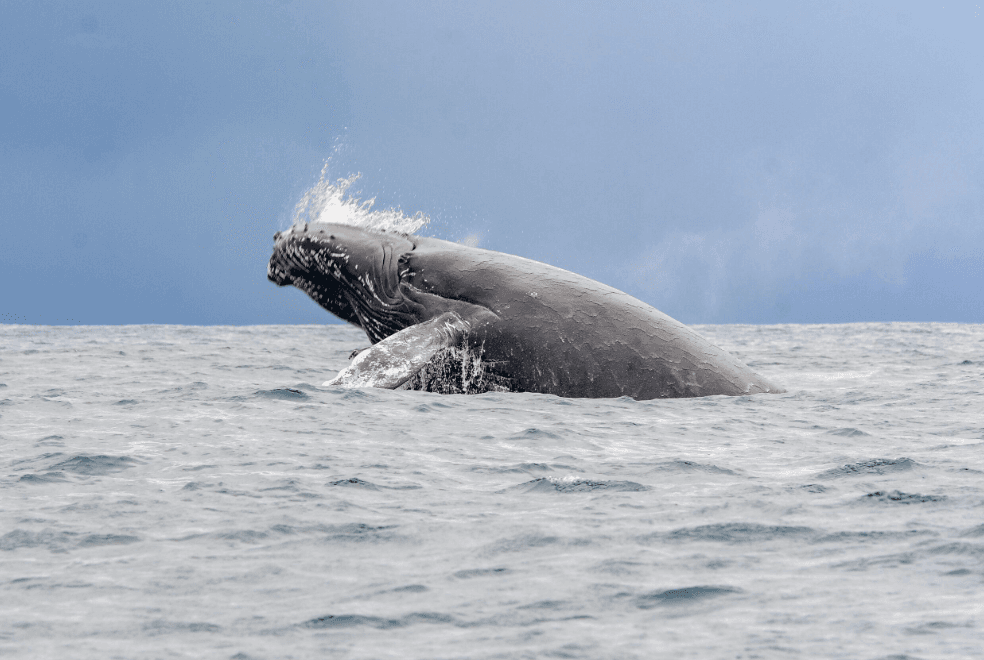
Every whale-watching season, humpback whales arrive in the waters around Samaná Bay in the Dominican Republic. Their impressive size, powerful movements, and occasional spectacular breaches make them one of the region's most remarkable natural attractions.
However, the whales do not remain in Samaná throughout the year. As the breeding season comes to an end, many begin traveling back toward the North Atlantic, where productive feeding grounds provide the food they need to replenish their energy reserves.
So, where do humpback whales go after leaving Samaná Bay How do they travel across such enormous distances, and what happens when they reach their northern destinations?
Understanding what happens after the whale-watching season reveals another fascinating part of the humpback whale's life cycle.
1. Humpback Whales Return to North Atlantic Feeding Grounds
Many humpback whales that visit Samaná belong to the North Atlantic population. After spending time in Caribbean breeding areas, they migrate toward northern waters where food is more abundant during the warmer months.
Their feeding destinations can include waters around eastern Canada, Greenland, and the northeastern United States. The exact destination depends on the individual whale and its movement patterns.
These northern environments can support large quantities of prey, including krill and small schooling fish. Humpback whales feed actively in suitable feeding areas, building up energy reserves that help them survive periods when feeding opportunities are limited.
The journey back north is not simply a return trip. It connects two important parts of their annual life cycle: reproduction in warmer waters and feeding in more productive northern environments.
2. When Do Whales Leave Samaná Bay?
The departure period varies. Humpback whales generally begin leaving Caribbean breeding areas as the winter and early-spring breeding season progresses, with many heading north during spring.
There is no single departure date that applies to every whale. Some animals may leave earlier than others, and individual movements can differ from year to year.
Several factors influence the timing of migration, including reproductive activity, the needs of individual animals, and seasonal conditions along their routes.
This variation is also why whale sightings can change throughout the Samaná season. The number of whales present, their behavior, and their distribution are not identical every day.
For visitors, the main lesson is simple: the whale-watching season follows a natural cycle rather than a fixed schedule controlled by tourism operators.
3. What Do Humpback Whales Do When They Reach the North?
Once humpback whales arrive in productive northern waters, feeding becomes a major priority.
Unlike many tropical breeding areas, northern feeding grounds can provide abundant prey during the warmer months. Humpbacks use different feeding strategies to capture food, depending on local prey conditions.
One well-known technique is bubble-net feeding. In some populations and situations, whales release bubbles in patterns that help concentrate schooling fish before lunging through the group to feed. Not every humpback uses this technique, and feeding behavior varies by location.
Humpbacks also use their baleen plates to filter prey from seawater. These flexible plates hang from the upper jaw and help the whales retain food while water flows out.
Feeding allows humpbacks to accumulate energy reserves for migration and the following breeding season. Their lives are therefore shaped by the availability of food across widely separated ocean regions.
4. Do Mother Whales and Their Calves Travel North Together?
Mother-and-calf pairs are an important part of the migration story.
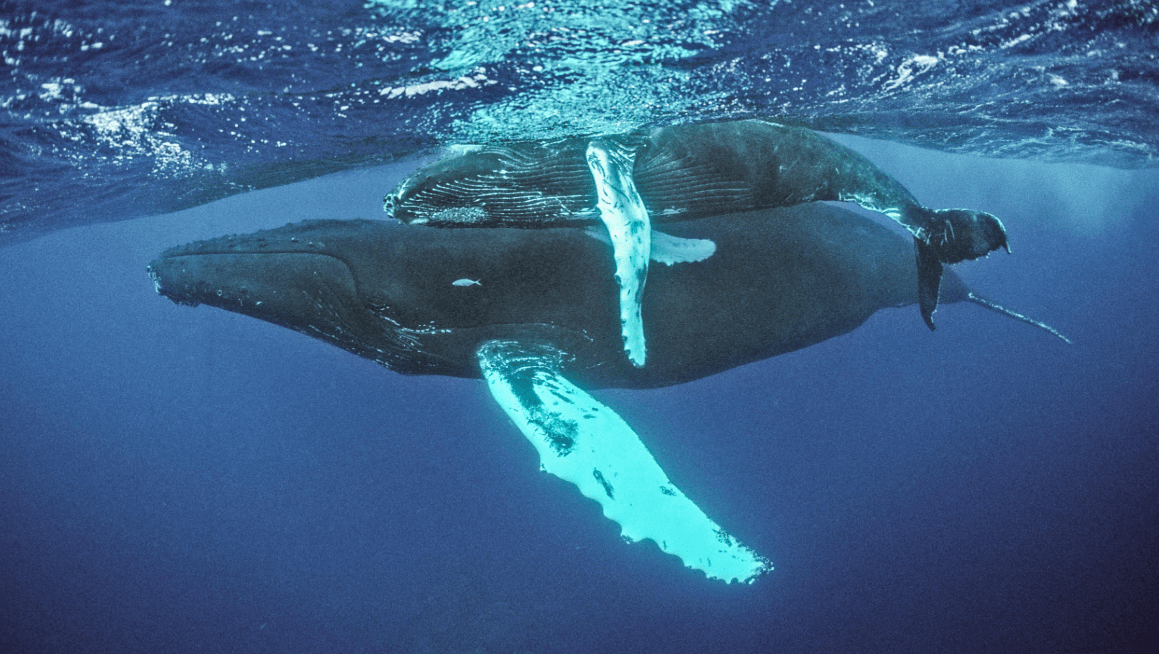
A calf born in the Caribbean depends on its mother for milk, protection, and guidance. During its early life, it gradually develops the strength and coordination needed to travel through the ocean.
As the migration north begins, mothers and calves make the journey together. The calf must keep up with its mother over long distances while continuing to develop.
Reaching suitable feeding grounds is important because the calf will eventually need to learn how to feed independently. Humpback whales do not remain dependent on their mothers indefinitely, and the transition toward independence is part of their early development.
Observing a mother and calf in Samaná can help visitors appreciate that the encounter is part of a much longer journey. What happens in the bay is only one stage in the life of a young whale.
5. How Far Can Humpback Whales Travel?
Humpback whales are famous for long-distance migrations. Some travel thousands of miles between their feeding grounds and breeding areas.
The distance varies according to where a whale begins and where it spends the breeding season. A whale traveling from one part of the North Atlantic will not necessarily follow the same route or cover the same distance as another.
Their journeys can involve crossing large stretches of open ocean and navigating changing weather and sea conditions. The whales must also manage their energy carefully, particularly during periods when they are not feeding regularly.
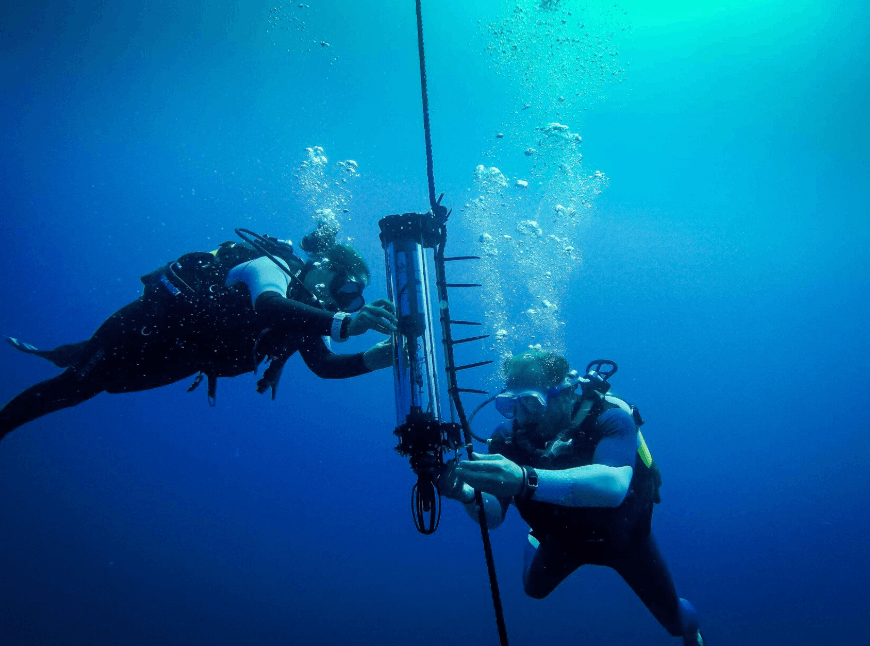
Scientists study these movements using techniques such as photo-identification, satellite tracking, and observations collected at different locations.
Each method provides different information. Together, they help researchers understand migration routes, seasonal timing, and the connections between whale populations.
6. How Do Scientists Know Where the Whales Go?
Humpback whales spend much of their lives underwater and travel across enormous distances, so following their movements requires several research methods.
Photo-identification
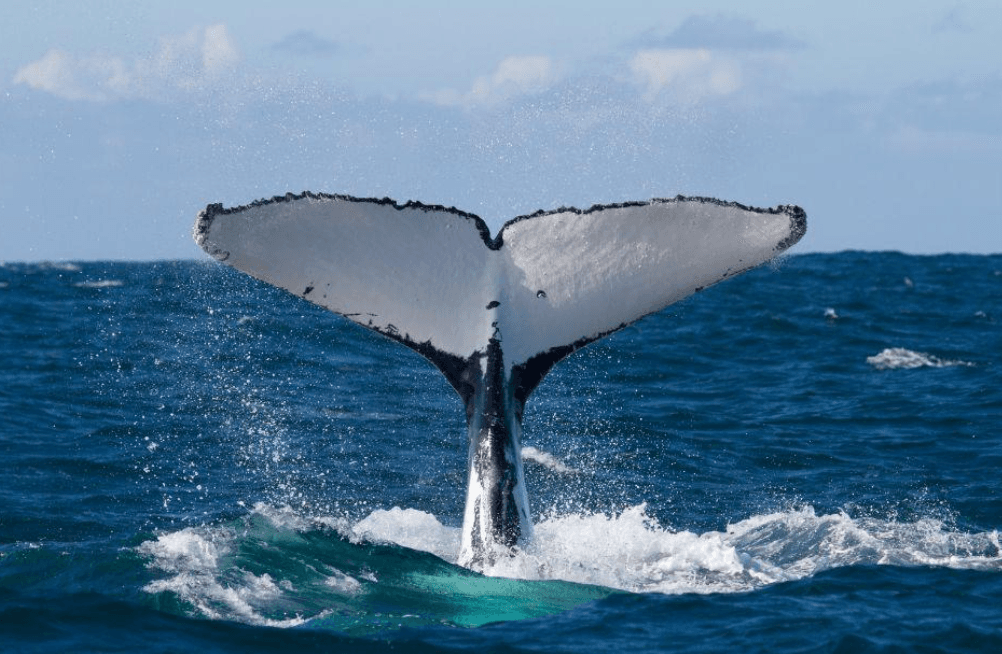
The underside of a humpback whale's tail flukes often has a distinctive pattern of pigmentation, scars, and other markings. Researchers photograph these patterns and compare them with images collected in other places and years.
When a whale is identified in Samaná and later photographed in a northern feeding area, the matching images can help establish a connection between the two locations.
Satellite tagging
Researchers can attach specialized tracking tags to selected whales under approved research protocols. Depending on the tag and its performance, these devices can transmit information about the whale's location and movements.
Satellite tracking can reveal routes that would be difficult to establish through occasional sightings alone.
Sightings and research records
Researchers also compare observations made by scientists, authorized research teams, and other trained observers. The quality of the information depends on accurate identification, documentation, and consistent reporting.
These methods help scientists understand where whales travel after leaving Samaná without needing to follow every animal continuously.
7. Do Humpback Whales Return to Samaná the Following Year?
Many North Atlantic humpback whales return to Caribbean breeding areas in subsequent seasons, but the movements of individual animals vary.
Photo-identification studies can help establish whether a whale seen in one season has been recorded in the region in another year. Such records are valuable because they help researchers study site use and movement patterns over time.
However, not every whale returns to the same bay every year, and a lack of a new sighting does not prove that an animal has stopped visiting the wider region.
Whales may use different areas within the broader breeding range. Their movements are influenced by individual behavior, reproductive status, and other factors that researchers continue to investigate.
For whale watchers, this means the animals seen during one visit may differ from those encountered in another season.
8. Why Is Protecting Their Migration Route Important?
Humpback whales depend on more than one habitat throughout the year. Protecting a breeding area such as Samaná is important, but conservation must also consider feeding grounds and the ocean routes connecting them.
Threats can occur in different places, including entanglement in fishing gear, vessel strikes, underwater noise, and changes in marine ecosystems. The importance of each threat varies by location and circumstance.
Conservation efforts are most effective when researchers, authorities, local communities, and marine industries work together to reduce risks across the whales' range.
Visitors can contribute by choosing responsible whale-watching operators and following local wildlife-viewing regulations. Boats should operate according to applicable rules and avoid disrupting the animals for closer views.
Respectful tourism also helps people understand why the whales deserve protection after they leave the bay, not just while they are visible to visitors.
9. What Happens to Whale Watching After the Migration?
As humpbacks leave Samaná, sightings generally become less frequent toward the end of the local season. Whale-watching operators adjust their schedules according to the season, regulations, and demand.
The quieter months do not mean the whales have disappeared from the Atlantic. Many have simply moved to other parts of their range.
Visitors who travel outside the main whale-watching period can still explore Samaná's beaches, landscapes, communities, and other attractions. However, anyone traveling specifically to see humpback whales should check current seasonal information before booking.
It is also wise to ask operators about their wildlife policies and what happens if sightings are limited. Responsible operators should explain that whales are wild animals and cannot be guaranteed to appear on a particular trip.
Frequently Asked Questions
Where do humpback whales go after leaving Samaná Bay?
Many return to North Atlantic feeding grounds, including areas around eastern Canada, Greenland, and the northeastern United States. Individual destinations vary.
When do humpback whales leave Samaná?
Many depart during spring as the Caribbean breeding season progresses. Departure timing differs between individual whales and seasons.
Do humpback whales eat while migrating north?
Humpbacks may feed opportunistically when suitable prey is available, but their feeding patterns vary. They generally rely on energy reserves accumulated during feeding periods, especially when feeding opportunities are limited.
Do baby humpback whales migrate with their mothers?
Yes. Calves travel with their mothers during the early stages of life, including the journey from breeding areas toward feeding grounds.
How do scientists track humpback whale migration?
Researchers use methods including photo-identification, satellite tags, and sightings recorded at different locations to study whale movements.
Will the same whales return to Samaná next year?
Some whales are recorded in the region in multiple seasons, but not every individual returns to the same location each year. Researchers use identification records to study these patterns.
Final Thoughts
When humpback whales leave Samaná Bay, their journey continues across the Atlantic toward feeding grounds where they can replenish their energy. Mothers and calves continue developing and traveling together, while researchers work to understand the routes that connect different parts of the whales' lives.
The annual migration demonstrates how closely ocean habitats are connected. A whale seen near the Dominican Republic may depend on distant northern waters for food, making conservation an international responsibility.
For visitors, learning what happens after the whales depart adds a new dimension to whale watching. The experience becomes more than a seasonal excursion: it becomes a window into the long journey of one of the ocean's most remarkable mammals.

Local explorer & expert guide in Los Haitises Park Tours.