What Families Should Know Before Booking a Whale-Watching Tour in Samaná
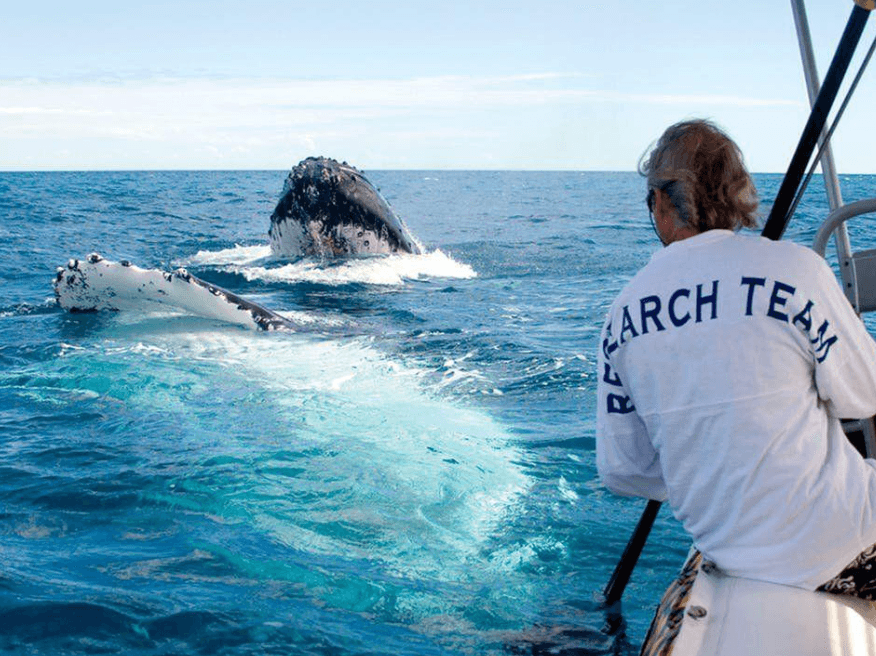
A whale-watching trip in Samaná can be an exciting way for families to experience marine wildlife together. During the humpback whale season, visitors travel to the waters around Samaná Bay hoping to observe these remarkable animals in their natural environment.
However, choosing a family whale-watching excursion involves more than finding a boat and reserving a seat. Parents should consider their children's ages, comfort on the water, trip duration, departure location, safety arrangements, and the operator's policies before booking.
This guide explains what families should check when planning a whale-watching experience in Samaná, Dominican Republic, so they can choose an excursion that fits their needs.
Why Consider Whale Watching for a Family Trip?
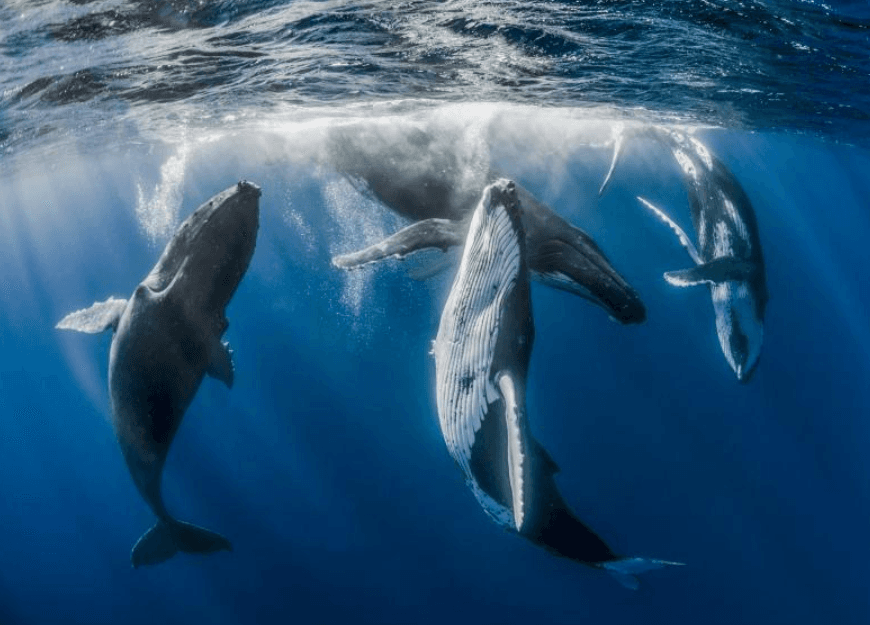
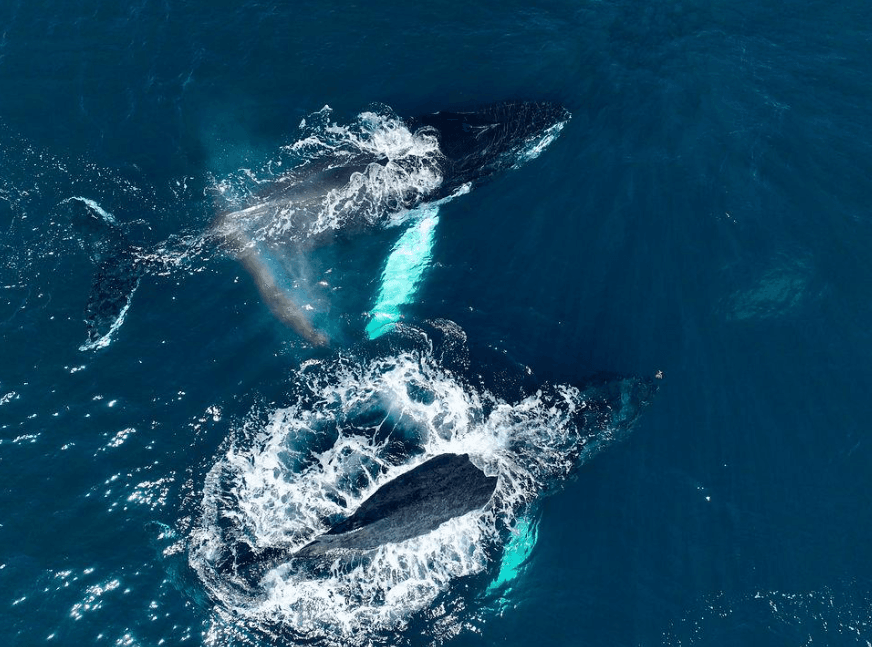
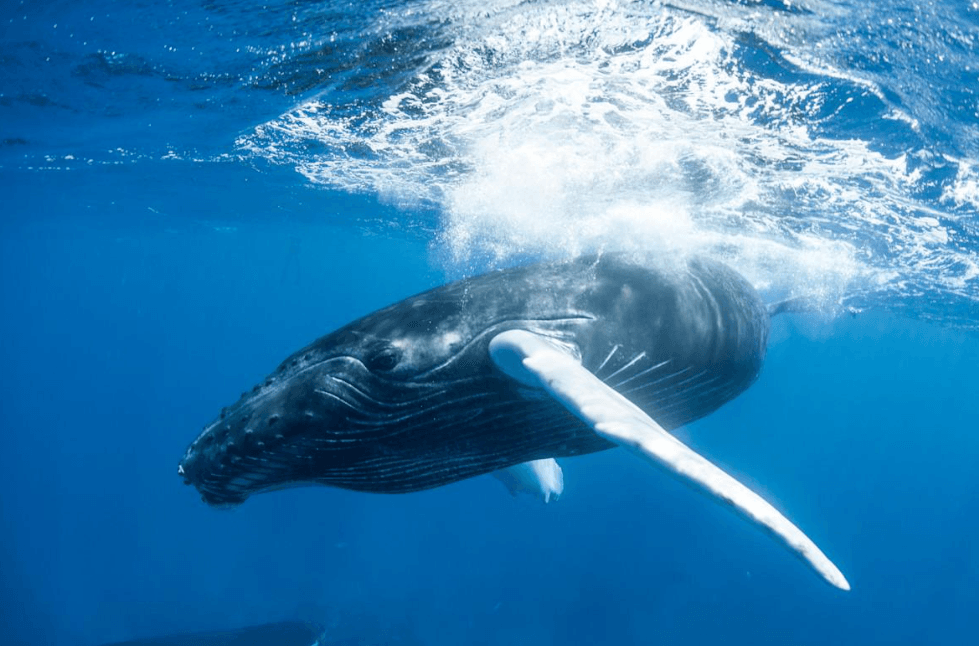
Whale watching offers families an opportunity to experience nature outside a classroom, zoo, or aquarium. Instead of seeing marine animals in captivity, visitors may observe humpback whales in their natural habitat.
For children, the experience can encourage curiosity about ocean life, animal behavior, migration, and conservation. Adults can also enjoy the scenery of Samaná Bay and learn more about the region's seasonal wildlife.
A family excursion may be particularly appealing to:
- Parents traveling with school-age children.
- Families interested in nature and wildlife.
- Multigenerational groups planning a shared activity.
- Visitors looking for an outdoor experience during a Dominican Republic holiday.
- Families who want to combine wildlife observation with other Samaná attractions.
Whale sightings are not guaranteed, however. Families should book because they value the experience of being on the water and learning about marine wildlife, rather than expecting a particular encounter.
1. Check the Minimum Age Before Booking
One of the first questions parents should ask is whether the excursion accepts children of their ages.
Age policies vary by operator, boat, excursion type, and safety requirements. Do not assume that every whale-watching tour accepts infants, toddlers, or young children.
Before paying for a reservation, confirm:
- The minimum permitted age for children.
- Whether infants can travel on the selected boat.
- Whether children must be accompanied by an adult.
- Whether child tickets have different prices.
- Whether the operator provides suitable child-sized safety equipment.
- Whether any restrictions apply to pregnant travelers or passengers with mobility limitations.
If you are traveling with several children of different ages, ask the operator whether the same trip is suitable for everyone in your group.
Booking tip: Give the operator the exact ages of all children when requesting a quotation. This helps you confirm eligibility before committing to a particular excursion.
2. Choose a Boat Trip That Matches Your Family's Comfort Level
Not every family has the same preferences when it comes to spending time on the water.
Some children enjoy the movement and excitement of a boat ride. Others may feel uncomfortable when the boat moves, the wind increases, or the trip lasts longer than expected.
When comparing excursions, ask the operator about the vessel and the conditions you can reasonably expect.
Questions to ask about the boat
- What type of boat is used?
- How many passengers can it accommodate?
- Is seating available for every passenger?
- Is there shade or protection from the sun?
- Are restrooms available?
- How long does the complete excursion usually take?
- What safety equipment is provided?
- Are there any restrictions for young children?
Do not assume that a larger boat, a smaller boat, or a private excursion will automatically be more comfortable. The best option depends on the actual vessel, weather conditions, passenger needs, and operator arrangements.
Families with young children may prefer to discuss these details directly with the tour provider rather than choosing solely on price.
3. Consider Seasickness and Motion Sensitivity
Some passengers experience nausea, dizziness, or discomfort during boat travel. Children who rarely travel by boat may not know how they will respond until they are on the water.
Parents should consider motion sensitivity when deciding whether to book a whale-watching excursion.
If someone in your family is prone to motion sickness, ask a healthcare professional or pharmacist about suitable preventive options, especially for young children. Medication suitability and dosing depend on the person's age and other circumstances.
Practical preparations may include:
- Eating an appropriate meal before departure rather than traveling on an unusually full or empty stomach.
- Bringing drinking water if permitted by the operator.
- Carrying spare clothing for children.
- Following the crew's instructions about seating and movement around the vessel.
- Avoiding unnecessary movement while the boat is underway.
Never give children medication without checking that it is appropriate for their age and circumstances.
If a family member has severe motion sensitivity, ask the operator about the expected boat journey and available alternatives before making a reservation.
4. Select the Right Time of Year
Samaná is well known for seasonal humpback whale watching. The commonly recognized viewing season is approximately January through March, although the timing and individual sightings vary.
If your family is planning a trip for 2027, verify the operator's scheduled excursions and any relevant seasonal information before finalizing your itinerary.
When planning your holiday, remember that the whale-watching season does not mean that whales will be visible on every trip. Wildlife activity changes, and no responsible operator can guarantee a particular sighting.
Families should also consider the broader travel schedule. A morning excursion, for example, may require an early start depending on the departure point. Travelers staying outside Samaná should account for road travel, pickup arrangements, and the time needed to reach the meeting location.
It is sensible to avoid scheduling an important activity immediately after the excursion in case the return takes longer than expected.
5. Decide Where Your Family Should Depart From
The departure location can make a substantial difference to the convenience of a family excursion.
Visitors may be staying in Samaná town, Las Terrenas, Miches, Punta Cana, Santo Domingo, or another destination. These locations involve different transport arrangements and travel times.
Before selecting a tour, confirm the exact meeting point and whether transportation is included.
Families staying in or near Samaná
A departure near your accommodation may reduce the need for a long transfer before the boat trip. Check whether the tour starts at a marina, dock, or another designated meeting point.
Families staying in Punta Cana
Ask whether the excursion includes transportation from your hotel area or whether you must arrange a separate transfer. Confirm the full schedule, including the return journey, before deciding whether the day is appropriate for your children.
Families staying in Miches or elsewhere
Look for an excursion that genuinely departs from a convenient location. Do not assume that a tour advertised for the Samaná region starts at the same place as another similarly named tour.
Important: Compare the complete itinerary, not just the boat-trip duration. Road transfers and waiting times can make the total day considerably longer.
6. Review Safety Arrangements Before Paying
Safety should be a central part of your decision, particularly when traveling with children.
A professional operator should be able to explain the vessel's passenger limits, required safety equipment, and procedures for boarding and traveling with young passengers.
Before booking, ask about:
- Life jackets and suitable sizes for children.
- Passenger and child safety rules.
- Boarding arrangements for passengers who need assistance.
- Weather-related cancellation or postponement procedures.
- The operator's policy if sea conditions are unsuitable.
- Instructions for passengers during wildlife encounters.
Follow the crew's directions throughout the trip. Children should remain under adult supervision and should not move around the vessel without permission.
Families should also understand that responsible whale watching requires giving whales appropriate space and avoiding actions that disturb them. Choose an operator that emphasizes wildlife protection rather than promising unusually close encounters.
If the operator cannot clearly explain its safety arrangements, consider another excursion.
7. Pack for Children and Changing Conditions
A little preparation can make the excursion easier for the entire family.
Conditions on the water may feel different from those on land. Sunlight, wind, spray, and boat movement can affect passenger comfort.
Consider packing the following items, subject to the operator's rules:
- Sun protection, including sunscreen and suitable hats.
- Drinking water.
- Lightweight clothing and an extra layer.
- A change of clothes for younger children.
- Any necessary personal medication.
- Motion-sickness supplies recommended by a healthcare professional.
- A small bag for personal belongings.
- A camera or phone with a secure carrying arrangement.
- Snacks, if permitted.
Avoid carrying unnecessary valuables or bulky luggage on the boat.
If you plan to take photographs, keep your equipment secure and make sure using it does not distract you from supervising your children.
For babies and toddlers, ask the operator what equipment and supplies are appropriate for the vessel before departure.
8. Understand What the Tour Price Includes
Families should compare the full cost of an excursion rather than focusing only on the advertised starting price.
A tour quotation may cover some services but exclude others. Inclusions vary by operator and package, so confirm every important detail.
Booking detail
What to confirm
Adult tickets
Price per adult and applicable conditions
Child tickets
Age categories and child pricing
Transportation
Whether hotel pickup and return transfers are included
Boat excursion
Expected duration and departure point
Food and drinks
Whether refreshments are included or available
Additional activities
Whether stops or other attractions form part of the package
Cancellation policy
Deadlines, refunds and weather-related changes
Whale sightings
What happens if whales are not spotted
Payment
Deposit, balance, currency and accepted payment methods
Do not assume that a package includes Cayo Levantado, lunch, hotel pickup, or other activities simply because those services appear in descriptions of other excursions.
Request a written summary of the package before paying. This is particularly useful for families who need to coordinate transport, meals, and children's schedules.
9. Should You Choose a Private or Shared Excursion?
Both private and shared tours may be worth considering, depending on the family's needs and budget.
A shared excursion may suit families who are comfortable traveling with other passengers and want to compare more economical options.
A private excursion may offer greater flexibility in organizing the group experience, depending on the operator's actual arrangements. However, private does not automatically mean a smoother ride, a shorter journey, or better wildlife sightings.
Consider a private trip if:
- Your family wants to travel together without joining a larger group.
- You need to discuss specific arrangements for children.
- Your group has particular scheduling or accessibility needs.
- The available private package fits your budget.
Consider a shared trip if:
- The operator confirms that your children meet its age requirements.
- You are comfortable following a group schedule.
- The published itinerary and facilities meet your needs.
Compare the actual boat, inclusions, safety arrangements, departure time, and cancellation terms before choosing either option.
10. Help Children Understand the Wildlife Experience
Children often enjoy an excursion more when they know what to expect.
Before the trip, explain that humpback whales are wild animals and may behave differently from one encounter to another. They might see a whale surface, breathe, move through the water, or display other natural behaviors, but there is no guaranteed sequence of events.
You can prepare children by:
- Looking at educational material about humpback whales.
- Explaining why whales migrate.
- Discussing the importance of protecting marine wildlife.
- Encouraging patient observation instead of expecting constant activity.
- Explaining that the crew's safety instructions must be followed.
Bring a simple wildlife checklist or encourage older children to record what they observe. This can turn the experience into a memorable learning activity even if the whales remain at a distance.
Remind children that loud noises, attempts to touch wildlife, and actions intended to attract whales are inappropriate.
Frequently Asked Questions
Is Samaná whale watching suitable for children?
It can be suitable for some families, but suitability depends on the child's age, comfort on boats, the vessel, weather conditions, and the operator's restrictions. Confirm these details before booking.
What is the best month for a family whale-watching trip?
The commonly recognized season is approximately January through March. The best dates for your family also depend on your travel schedule, tour availability, and conditions at sea. Sightings cannot be guaranteed.
Should families book in advance?
Booking ahead can help families compare operators, confirm child policies, and coordinate transportation during the seasonal period. Check the actual availability and cancellation conditions for your selected date.
Are private whale-watching tours better for families?
Not necessarily. A private tour may offer different group arrangements, but the vessel, safety procedures, itinerary, price, and individual needs matter more than the label alone.
What if no whales are seen?
Ask the operator about its no-sighting policy before paying. Refunds, rescheduling, and other arrangements depend on the provider's published terms; do not assume another trip or a refund is automatically included.
Can we combine whale watching with other Samaná attractions?
Some providers may offer packages combining whale watching with other attractions. Confirm the itinerary, extra costs, transport, and total duration. A combined trip may be tiring for younger children if it makes the day too long.
Final Thoughts: Plan a Family-Friendly Whale-Watching Experience
A family whale-watching excursion in Samaná can become a memorable part of a Dominican Republic holiday when the trip matches everyone's needs.
The best preparation is to confirm children's age requirements, understand the boat and safety arrangements, plan for motion sensitivity, verify transportation, and compare the complete tour inclusions before paying.
Avoid choosing an excursion based only on a low price or a promise of close whale encounters. Prioritize a responsible operator that explains its policies clearly and respects the animals' natural environment.
Planning a family whale-watching trip in Samaná Compare available excursions, confirm the arrangements for your children's ages, and review the departure details before choosing the tour that best fits your family.

Local explorer & expert guide in Los Haitises Park Tours.