How Do Ocean Conditions Affect Humpback Whale Sightings in Samaná Bay?
Seeing a humpback whale rise from the ocean is one of the memorable experiences of visiting Samaná Bay in the Dominican Republic. However, spotting a whale is not always easy. Even when whales are present, changing waves, sunlight, wind, and weather can affect how clearly visitors and observers see them.
Ocean conditions influence both the whale-watching experience and the quality of scientific observations. A calm sea may make a distant whale's movements easier to recognize, while choppy water can hide a whale's back among the waves. Bright sunlight can create reflections, and rain or haze can reduce visibility across the water.
Understanding these factors helps explain why whale sightings can vary from one trip to another. It also helps visitors set realistic expectations when planning a Samaná whale-watching excursion.
Why Do Ocean Conditions Matter for Whale Watching?
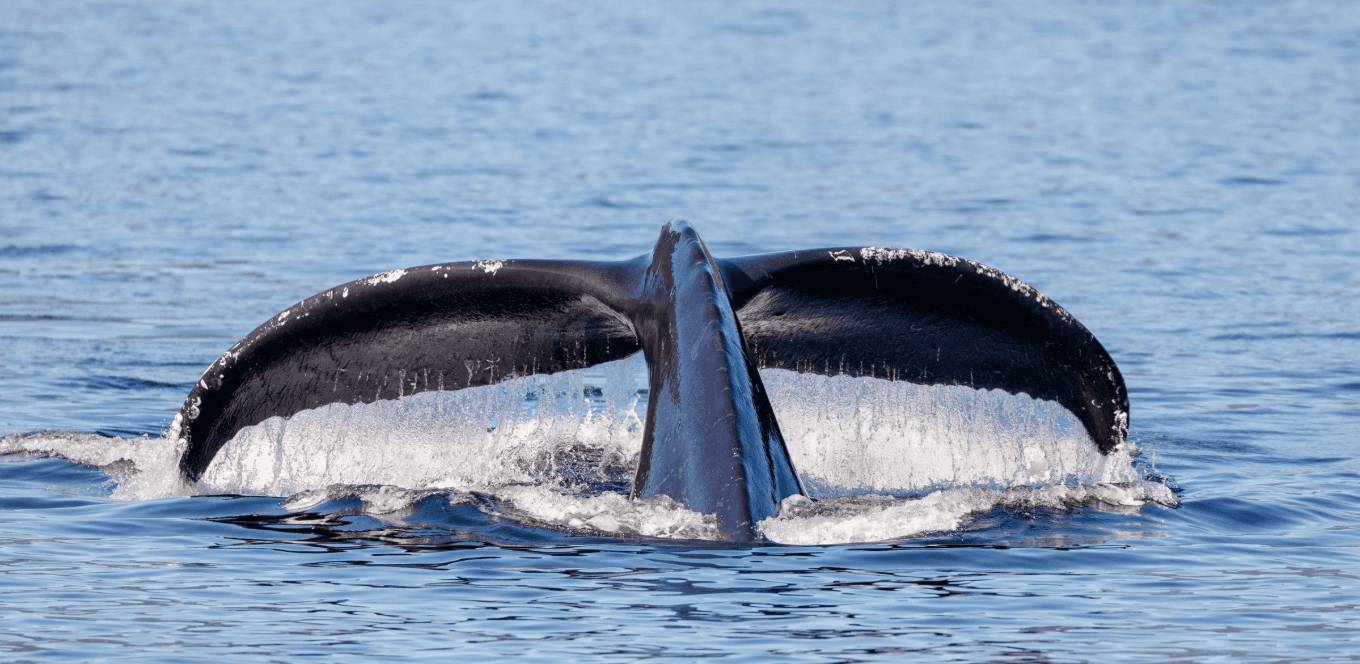
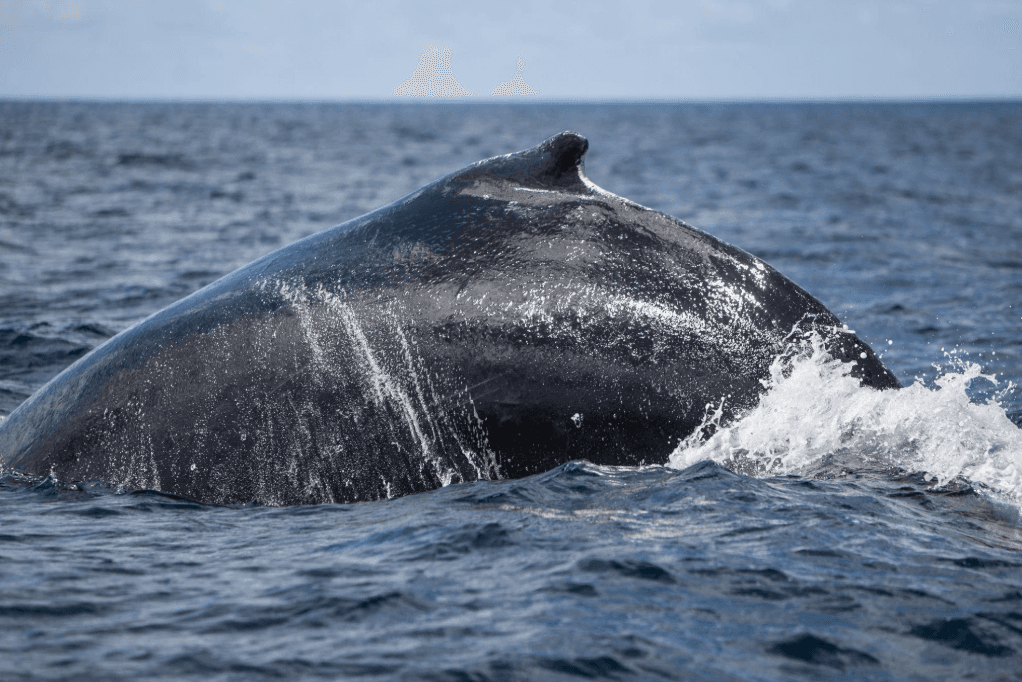
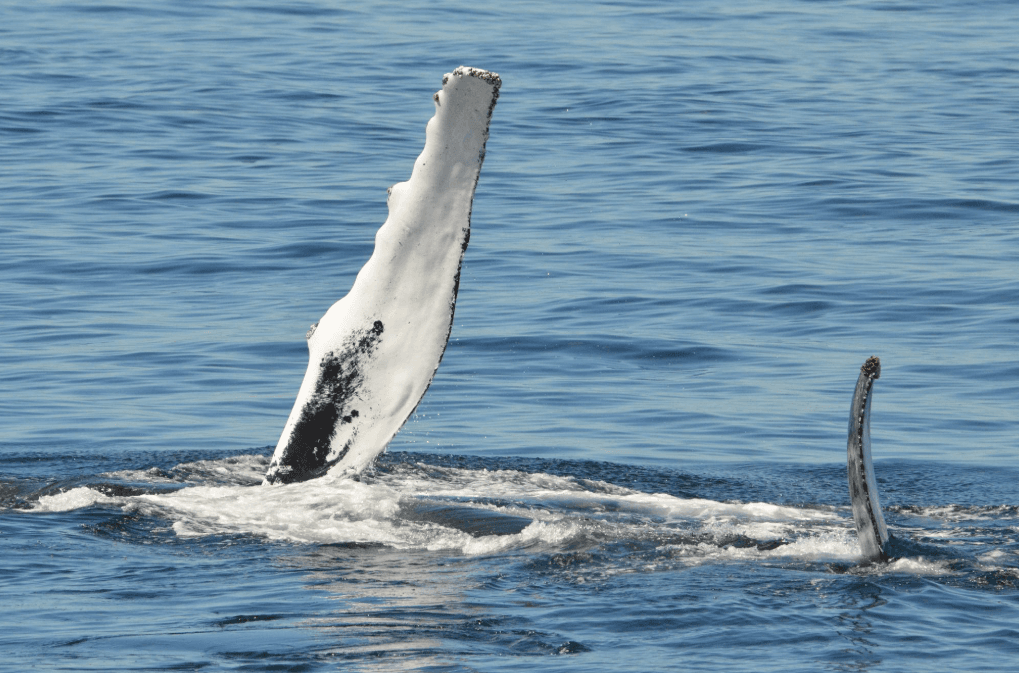
Humpback whales spend much of their time underwater and surface periodically to breathe. Their appearance at the surface may be brief, and the visible signs of a whale can include a dark back, a blow, a raised tail fluke, or a splash.
Observers must distinguish these signs from waves, floating objects, and other features of the ocean. The difficulty of doing so depends partly on the surrounding conditions.
When the sea surface is relatively smooth, a whale's movement may create a noticeable disturbance. In rougher conditions, similar disturbances can blend into the waves. This makes it harder to identify the direction of movement or determine whether a distant shape is actually a whale.
Ocean conditions do not necessarily determine whether whales are present. Instead, they affect how easily people can detect the animals and, in some circumstances, how safely a vessel can observe them.
How Do Waves Affect Humpback Whale Sightings?
Waves are among the most important factors affecting visibility from a boat.
Calm water can make surface activity easier to recognize
When the water is relatively calm, observers may find it easier to notice a whale's back, blow, or tail. Small disturbances caused by a surfacing whale can also stand out more clearly against a smoother surface.
Calm conditions may help people follow a whale's movements after it surfaces. However, a calm sea does not guarantee that whales will appear nearby or remain at the surface for long.
Choppy water can hide whales
In choppy conditions, wave crests continually change the view across the ocean. A whale swimming between wave crests may be hidden from an observer, particularly when the animal is far away.
Waves can also make it harder to distinguish a whale's blow from whitecaps or splashes. Observers may need to scan more carefully and wait for a clearer view before confirming a sighting.
Larger waves can obstruct the horizon
When a boat rises and falls with the swell, the observer's viewing angle changes. The crests of waves can temporarily block the view of distant water, making it difficult to track a whale consistently.
For travelers who are prone to seasickness, rougher water may also make the trip less comfortable. Operators should consider sea conditions when assessing whether an excursion can proceed safely.
Does Wind Make Whales Harder to See?
Wind affects the sea surface and can therefore influence visibility.
As wind increases, it can create ripples, whitecaps, and more pronounced surface movement. These features may reduce the contrast between a whale and the surrounding water.
Wind can also affect a boat's movement and the comfort of passengers. When the vessel is moving or rocking more noticeably, it may be harder for visitors to keep their eyes on a whale or use binoculars steadily.
The relationship between wind and visibility is not always straightforward. Local geography, wind direction, water depth, and the duration of the wind all influence the resulting sea conditions.
A windy day does not automatically mean whale watching will be unsuccessful. It means that conditions may make observations more challenging and that safety assessments become especially important.
How Does Sunlight Affect Whale Watching?
Sunlight can improve visibility in some circumstances but make it worse in others.
Sun glare can hide surface details
When sunlight reflects directly toward an observer, it creates bright patches across the water. These reflections can obscure the details of the sea surface, particularly when looking toward the sun.
A whale may surface within a reflective area and remain difficult to distinguish from the surrounding water. Observers may find it easier to see the animal from another viewing angle.
Changing light affects contrast
A dark whale against a bright, reflective sea may be easy to notice in some situations. In others, shadows, reflections, and changing light can make the animal difficult to distinguish.
The position of the sun also matters. Looking across the water with the sun behind the observer may reduce direct glare, although visibility still depends on waves, distance, and other conditions.
Polarized sunglasses may help
Polarized sunglasses can reduce certain reflected-light glare and make it more comfortable to look across the ocean. They do not eliminate all reflections or guarantee that a whale will be visible.
Visitors should also protect their eyes from strong tropical sunlight and follow the crew's safety instructions.
Can Clouds Improve Whale Visibility?
Cloud cover can sometimes make surface observations more comfortable by reducing intense sunlight and glare. On an overcast day, observers may find it easier to scan parts of the ocean that would otherwise reflect bright sunlight.
However, clouds do not always improve visibility.
Dark clouds can accompany rain, and heavy rainfall may obscure distant water. Haze or mist can also reduce the contrast between a whale and the horizon.
The effect of cloud cover therefore depends on the wider weather conditions. A bright, calm day may offer excellent visibility in one direction, while a cloudy day with light winds may also provide good viewing conditions.
There is no single weather pattern that guarantees the best whale sightings.
How Does Rain Affect Whale Sightings?
Rain can reduce visibility by placing a curtain of water between observers and distant whales. Heavy rain can make it particularly difficult to see surface activity beyond a relatively short distance.
Rain also creates additional movement and texture on the water, which may make small disturbances harder to identify.
Light rain does not necessarily prevent whale watching, but the crew must assess the conditions and follow applicable safety requirements. Thunderstorms, lightning, poor visibility, or dangerous sea conditions can make a trip unsuitable.
Visitors should follow the operator's instructions about cancellations, delays, and changes to departure plans. Safety should always take priority over the possibility of seeing a whale.
Why Does Visibility Matter More Than Seeing a Whale's Whole Body?
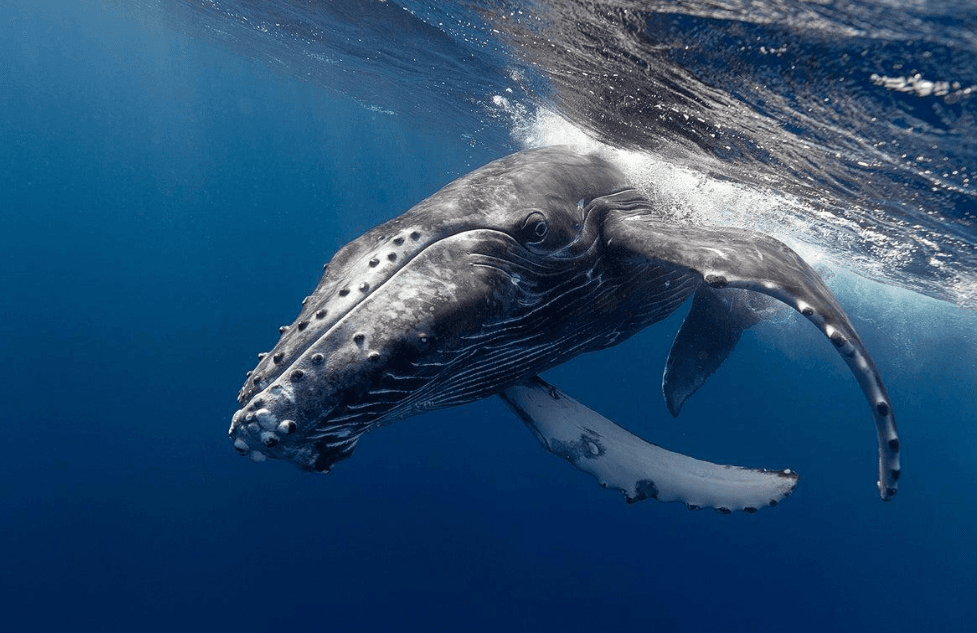
Humpback whales rarely present their entire bodies above the surface. Observers usually see only a portion of the animal, and that view may last just a few seconds.
A whale may reveal its back as it breathes, show its tail before a deep dive, or produce a visible blow. Each sign offers different clues, but none is guaranteed to appear during every surfacing.
Good visibility helps observers recognize these clues and distinguish them from waves and other surface disturbances.
In poor conditions, a whale may be present without being detected. This is important when interpreting sighting records: a low number of recorded whales does not necessarily mean that few whales were in the area.
For scientific observers, recording the visibility and sea state helps explain how reliable the observations may be.
Do Ocean Conditions Change Whale Behavior?
Ocean conditions can affect how whales and vessels interact with their surroundings, but observers should be careful about drawing conclusions from a single trip.
For example, rough seas may make whale movements more difficult for people to follow. That does not prove that whales are avoiding the area or behaving differently because of the waves.
Similarly, seeing fewer whales on a rainy day does not establish that whales have left the bay. The difference could result from reduced visibility or limited survey effort.
To determine whether environmental conditions are associated with changes in whale behavior or distribution, scientists need repeated observations and appropriate data.
The distinction is important: conditions that make whales harder to see are not necessarily conditions that make whales less abundant.
How Do Researchers Record Ocean Conditions During Whale Surveys?
Marine researchers may document sea state, wind, visibility, cloud cover, precipitation, and other factors alongside whale sightings.
These records help them evaluate whether changes in observed sightings reflect changes in whale presence or changes in the ability to detect whales.
For example, if a survey produces fewer sightings during rough weather, researchers can consider whether wave conditions reduced visibility. If the survey effort was also shorter or covered a smaller area, those factors must be considered as well.
A consistent recording system allows observations from different days to be compared more carefully.
The exact measurements and categories depend on the research project. It is important not to assume that every whale-watching operator collects scientific data or that a particular local study has established a specific relationship between weather and whale sightings.
What Should Visitors Expect During Samaná Whale-Watching Season?
Samaná Bay is known for seasonal humpback whale watching, but the ocean is a changing natural environment. Visibility can differ between mornings, afternoons, and individual trips.
Visitors should keep several practical points in mind:
- Sightings are not guaranteed. Even favorable conditions cannot guarantee that a whale will surface within view.
- Sea conditions can change. A forecast is useful, but conditions on the water may differ from expectations.
- Comfort matters. Wind and waves can make a trip more tiring, particularly for passengers who experience motion sickness.
- Listen to the crew. The operator is best placed to explain current conditions and any safety-related changes.
- Bring appropriate protection. Sun protection, suitable clothing, and any recommended motion-sickness precautions can make the experience more comfortable.
When booking an excursion, travelers should ask the operator about departure arrangements, safety procedures, cancellation policies, and what happens if conditions deteriorate.
Can Visitors Help Improve Whale Sightings?
Visitors do not control the weather, but they can prepare for the conditions and follow responsible observation practices.
Scanning the sea patiently is more useful than expecting a whale to appear at a precise time. A guide may point out subtle signs, such as a blow or a change in the water's surface, that are difficult for inexperienced observers to notice.
Binoculars can help identify distant activity when conditions permit, although they cannot overcome severe glare, heavy rain, or obstructed views.
Passengers should avoid standing in unsafe positions or distracting the crew while the boat is navigating. They should also follow instructions about where to sit and when to move around the vessel.
Responsible whale watching is not about forcing a close encounter. It is about observing wild animals safely and respecting the natural conditions that shape the experience.
Frequently Asked Questions
What are the best ocean conditions for spotting humpback whales?
Relatively calm seas, good visibility, and limited glare can make surface activity easier to detect. However, these conditions do not guarantee a sighting because whale presence and behavior also matter.
Can humpback whales be seen when the sea is rough?
Sometimes. Whales may still surface in rough conditions, but waves and whitecaps can make them harder to spot. Operators must assess whether conditions are safe for the trip.
Does rain mean there will be no whales?
No. Rain can reduce visibility, but it does not prove that whales are absent. The severity of the rain and the overall sea conditions determine how difficult observation may be.
Why are whales sometimes difficult to see in bright sunlight?
Sunlight reflecting off the water can create glare that hides surface details. Changing the viewing angle may help, but reflections can still obstruct a clear view.
Should I cancel my whale-watching trip if the forecast predicts wind?
Not necessarily. Wind forecasts alone do not determine whether an excursion is safe or worthwhile. Check with the operator for current conditions, departure decisions, and the applicable cancellation policy.
Does poor visibility mean fewer whales are present?
Not necessarily. Poor visibility can reduce the number of whales people detect, even if the animals are still in the area. Scientists account for this possibility when interpreting survey records.
Conclusion
Ocean conditions play an important role in how easily humpback whales can be observed in Samaná Bay. Waves can hide surface activity, wind can create whitecaps, sunlight can produce glare, and rain can obscure distant water.
These factors influence the quality of whale-watching experiences and the reliability of recorded sightings. They do not, by themselves, establish whether whales are present, absent, or changing their behavior.
For travelers, understanding the effects of weather and sea conditions helps set realistic expectations. For researchers, recording these conditions makes sighting data more useful. In both cases, patience, careful observation, and respect for safety are essential to responsible whale watching in the Dominican Republic.

Local explorer & expert guide in Los Haitises Park Tours.